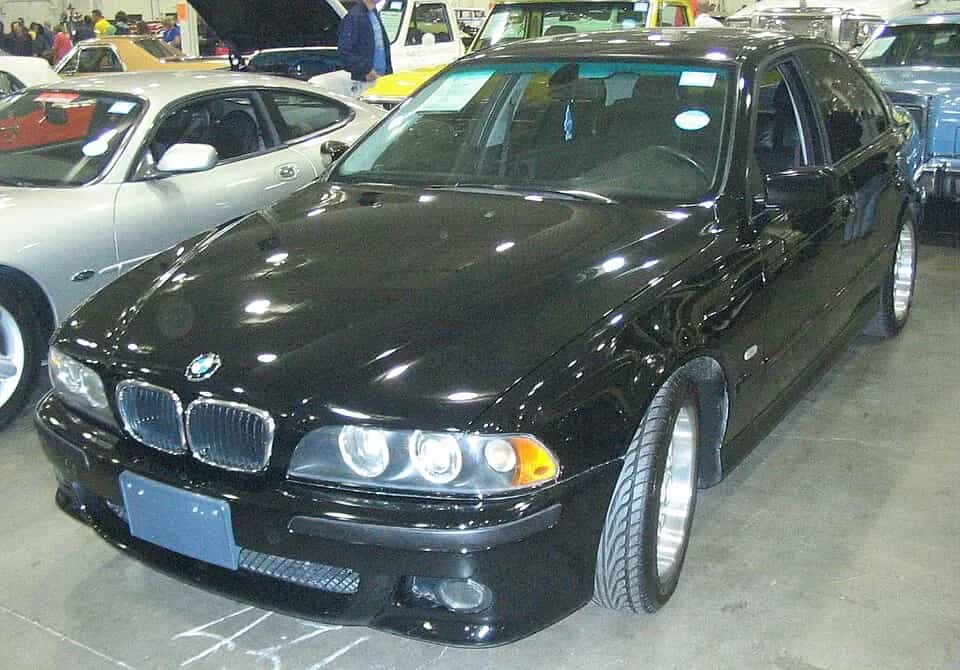
Is the BMW 5 Series reliable enough to import?
Yes, when bought on documented history. The single-turbo sixes and B58 are strong; the N20 four and N63 V8 need proof of their specific maintenance items. Buy the history, not the badge.
Which US 5 Series engines are best to import?
The 535i (N55), 540i (B58) and the diesel 535d offer a good balance of performance and durability. The 550i V8 is thrilling but maintenance-intensive.
Does this vehicle automatically qualify for a 0% import-duty rate?
No, not automatically. A 0% EU import-duty rate may be available for a vehicle covered by Regulation (EU) 2026/1455 that has US origin and is imported directly into the EU. CETA may apply to a vehicle with preferential Canadian origin. Whether the requirements are met is assessed for the individual case. Please contact USCar Trader before purchase; we review the possible duty benefit and provide non-binding support. Import VAT and other costs are assessed separately.
Do I still pay VAT?
Import VAT and other taxes or costs are assessed separately under the applicable rules and the circumstances of the specific transaction. Please contact USCar Trader before purchase so the calculation reflects the selected vehicle.
Why import from the US at all if duty may apply?
US cars are often better equipped and available in engine/spec combinations that were rare here, which can make the total package attractive even before considering pricing.
What are the most common 5 Series problems?
Timing-chain wear (N20), fuel-pump issues (N54), N63 V8 oil consumption and valve-stem seals, gasket oil leaks and cooling-system parts with age.
What TÜV changes are needed?
Typically ECE headlights or beam adjustment, a rear fog lamp and amber rear indicators, then registration via CoC or individual approval.
How long does the import take?
From purchase to German plates, usually around eight to twelve weeks depending on sailing and TÜV scheduling.